Tel/WhatsApp
0086-135 2669 2320


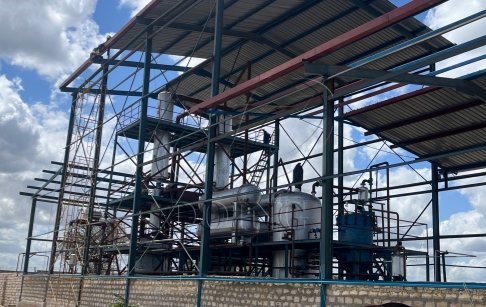
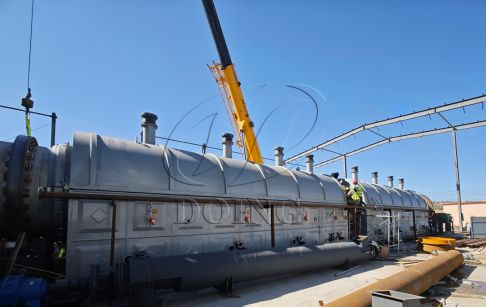
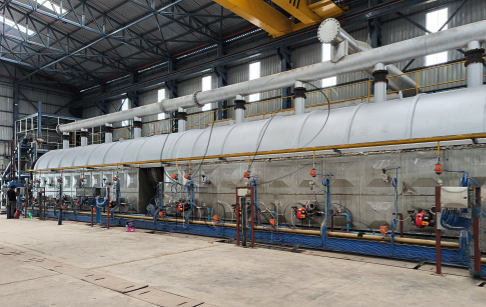
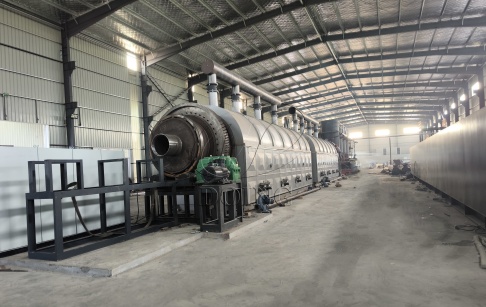
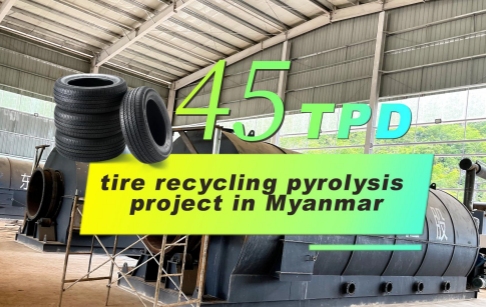
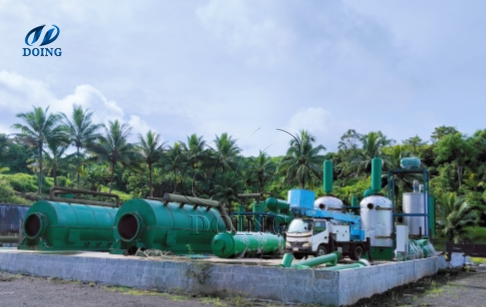
With the rapid acceleration of chemical recycling and the circular economy, waste plastics have turned from ecological hazards into highly valuable carbon assets. Through thermal pyrolysis, plastics are successfully converted into crude pyrolysis oil. However, to maximize its commercial and economic value, refining this crude liquid is crucial.
To address this, DOING GROUP has specifically developed and designed Plastic oil distillation plant, a specialized system that converts plastic pyrolysis oil into high-quality non-standard diesel through distillation, catalytic conversion, and purification. The final diesel is light amber in color, clean-burning, and commercially usable in diesel generators, tractors, trucks, agricultural machinery, and heavy equipment, etc.
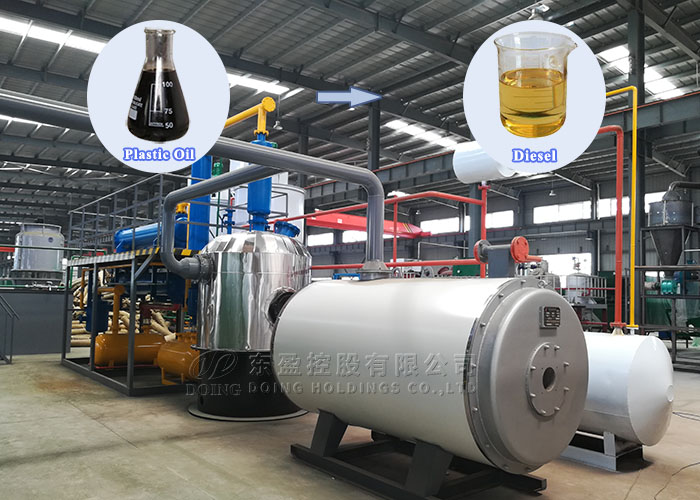 Plastic pyrolysis oil to diesel distillation plant
Key Takeaways
Plastic pyrolysis oil can be upgraded into non-standard diesel fuel throgh DOING Pyrolysis Oil Distillation Plant.
Plastic pyrolysis oil distillation process improves fuel quality, color, and market value. The distilled diesel has wider industrial applications.
Plastic pyrolysis oil to Diesel yield can reach about 80–85%.
Working Process of Plastic Oil Distillation plant
Plastic pyrolysis oil will be heated into oil gas with indirect heating in distillation reactor. Then oil gas will be cooled into diesel by cooling system. With the processing of color and odor removal system, diesel quality will be improved a lot.
Can Plastic Pyrolysis Oil Be Converted into Diesel? Yes. Plastic pyrolysis oil can be further processed through distillation technology to produce non-standard diesel fuel. Here is the detailed working principle:
Raw pyrolysis oil contains various hydrocarbon fractions generated during the plastic pyrolysis process. Some of these fractions have relatively high boiling points and contain impurities that affect the appearance, stability, and usability of the oil. During distillation, different oil fractions are separated according to their boiling temperatures. Lighter fractions are collected as diesel products, while heavier components remain as residue.
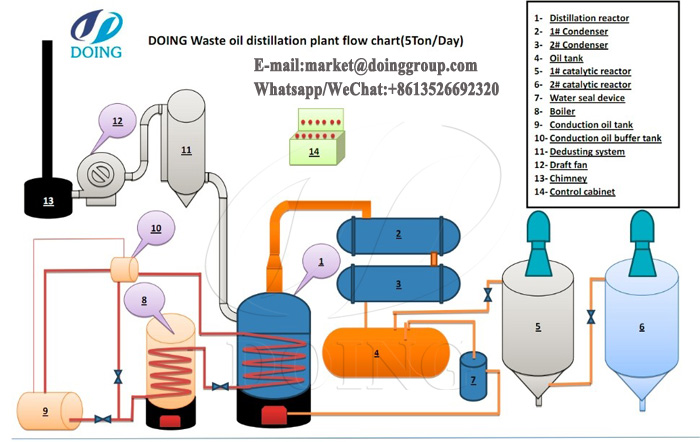 Flow chart of plastic oil distillation plant
The complete plastic oil to diesel distillation process generally includes:
①Plastic oil feeding: First, plastic pyrolysis oil is fed into the distillation reactor. Distillation Reactor heating: The temperature of the distillation reactor is continuously increased through a heating system consisting of a burner or a thermal oil heater.
②Oil vaporization: The temperature reaches approximately 180℃ to 350, causing lighter oil fractions to vaporize.
③Condensation and Diesel collection: The oil vapor enters the industrial shell-tube condensation system, where it is cooled and collected as diesel fuel.
④Catalytic Refining or Further Purification: Catalysts and decolorization/filtration equipment can be employed to further enhance the quality and color of the oil. To meet the diverse needs of different clients, DOING GROUP offers two waste oil catalysis solutions:
Option 1: Solid catalyst. This allows for direct reaction with the vaporized oil during distillation, resulting in higher overall efficiency and savings in both time and labor costs.
Option 2: Liquid catalyst (acid-base solution). This involves mixing the cooled oil with acid and alkali solutions to facilitate the reaction; while overall efficiency is slightly lower, the cost is relatively more economical.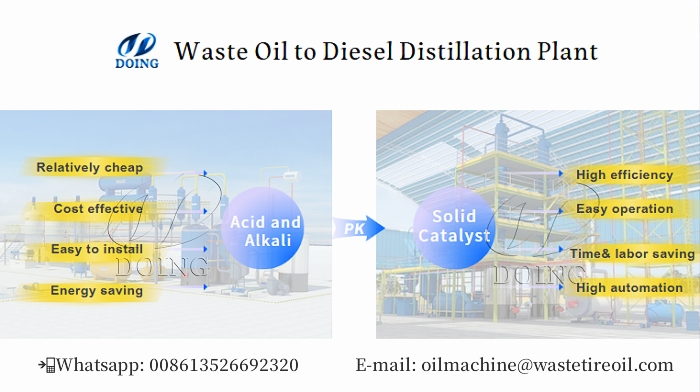 Two kinds of pyrolysis oil catalytic refining processes
⑤Residue discharge: Heavy fractions and residues like asphalt or bitumen remain inside the reactor and are discharged after the production cycle.
The entire plastic to diesel refining process is controlled to ensure stable product quality and safe operation. And this upgrading process significantly improves the quality of the plastic pyrolysis fuel oil and allows investors to obtain higher economic returns from waste plastic recycling pyrolysis projects. Click the video to get a more intuitive look at the workflow of the DOING plastic pyrolysis oil distillation plant:
Difference Between Plastic Pyrolysis Oil and Distilled Diesel
This is the most common question from buyers: "What exactly does the oil look like before and after?" Plastic pyrolysis oil and distilled diesel differ considerably in appearance, stability, odor, and application value. Here's the complete comparison:
| Oil Property | Crude Plastic Pyrolysis Oil (Raw Feedstock) | Refined Non-Standard Diesel (Final Product) |
| Visual Appearance | Dark black, high turbidity | Light bright yellow, crystal transparent. |
| Odor & Smell | Stronger tar odor | Cleaned, neutral hydrocarbon smell |
| Kinematic Viscosity | High viscosity, prone to residue formation | Low viscosity, smooth flowing, excellent atomization |
| Commercial Applications | Used as heavy oil for industrial heavy boilers, cement kilns, and steel factories, etc. | High-value fuel for diesel generators, tractors, ships, trucks, and excavators. |
| Market Price Relative to Standard Diesel | ~60% - 85% of diesel price | ~75% - 90% of diesel price |
For investors operating waste plastic pyrolysis projects, adding a distillation unit can provide:Higher product value, Additional revenue opportunities, Better market competitiveness, Increased project profitability, More flexible product sales channels.
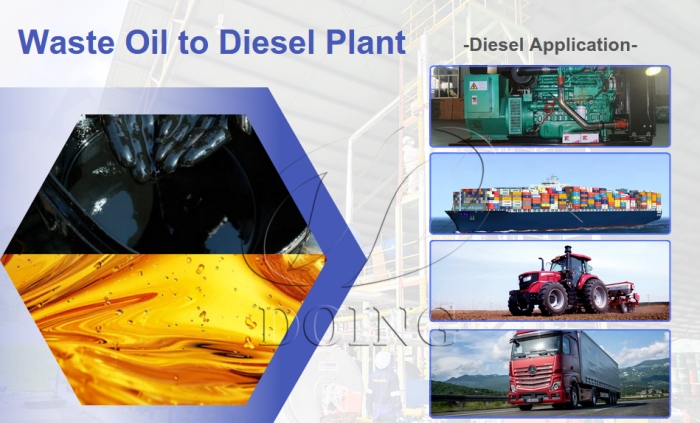 Pyrolysis oil to diesel refinery plant applications
Main Features of Plastic Oil Distillation Plant
DOING possesses over 15 years of experience in the manufacturing of waste recycling and processing equipment. DOING's waste oil distillation equipment stands out due to the following core advantages:
1. Fast Heating
The unique fast heating system is especially designed for shorten working time.
In market, mostly are horizontal reactor or old design for plastic pyrolysis oil will be heated into oil gas with indirect heating. DOING's proprietary forced circulation thermal oil heating system uses a high-efficiency heat exchanger with spiral flow channels. This design increases the heating surface area by 15-20% compared to conventional straight-pipe designs. Our plastic oil distillation plant will be fast, which will take about 15 to 20 hours to finish one batch, no need 2 or 3 days.
2. Easy slagging
Vertical distillation reactor enables gravity-assisted automatic slag discharge. After each batch, the asphalt residue (approximately 15-20% of input) is discharged through the bottom valve fast. And it is easy to clean.
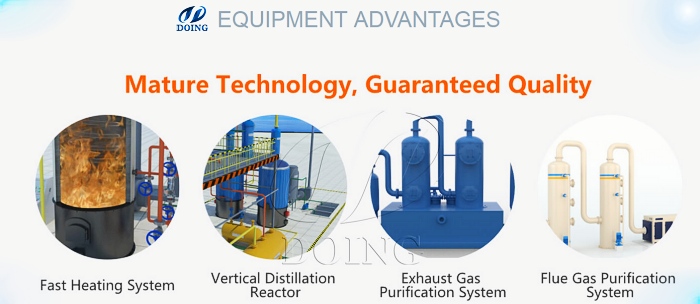 DOING pyrolysis oil distillation plant advantages
3. Energy saving
The pyrolysis oil refining to diesel system incorporates gas heat recovery: residual heat from slag preheats the next batch of raw material; recovered non-condensable gas is burned in the heating furnace, offsetting 15-20% of fuel consumption
4. Safe
Safety is a core design consideration, not an afterthought. DOING employs a rigorous quality control system; the reactor is manufactured using specialized industrial boiler-grade steel plate. Every aspect—from welding techniques and plate thickness to post-weld inspections—complies with the GB150 pressure vessel standard (or equivalent ASME standards). The system is equipped with professional safety devices, such as pressure relief valves, temperature monitoring systems, water seals, and explosion-proof motors. Plastic oil distillation plant can run safely and win a good reputation from customers.
5. Environmental friendly
Our plastic oil distillation plant designed with professional emission treatment systems, such as spray tower, desulfuration tower, dedusting system, which can ensure plastic oil distillation plant does not pollute the environment during the whole working process.
Technical Parameters of Plastic Oil Distillation Plant
| Technical Parameters of Plastic Oil Distillation Plant | ||
| NO. | Items | Contents |
| 1 | Capacity | 100KG/Batch, 500KG/Batch, 1T, 5T/D, 10T/D, 14T/D |
| 2 | Raw material | Tire/Plastic pyrolysis oil, waste engine oil, used motor oil |
| 3 | Structural form | Vertical |
| 4 | Outputs | Diesel, asphalt |
| 5 | Diesel yield | 80-85% |
| 6 | Operating pressure | Normal |
| 7 | Material of Reactor | Q245R/345R boiler plate or Stainless Steel |
| 8 | Thickness of Reactor | 12mm, 14mm, 16mm |
| 9 | Safety standard | Pressure vessel standard |
| 10 | Total power | 24.5KW |
| 11 | Mode of cooling | Recycled water cooling |
| 12 | Required water | 40m3 for recycle use |
| 13 | Heating method | Recycled conduction oil heating with fuel heating |
| 14 | Discharge way | Automatically |
| 15 | Noise dB(A) | ≤85 |
| 16 | Running process | Semi-continuous |
| 17 | Delivery time | 20-50days |
| 18 | Weight | 20-50T (depends on the capacity) |
If you are planning a waste plastic recycling pyrolysis plant project or looking for a plastic oil upgrading solution, DOING can provide customized plastic pyrolysis oil to diesel distillation plants according to your feedstock characteristics, processing capacity, and local market requirements.
Contact our engineering team to receive process design recommendations, equipment configurations, and project references.