Tel/WhatsApp
0086-135 2669 2320


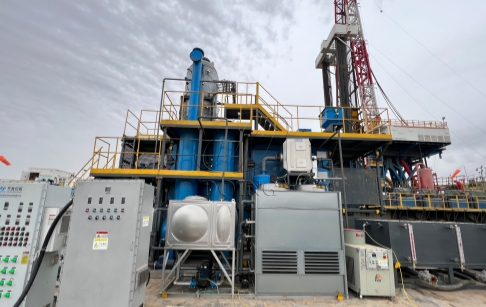
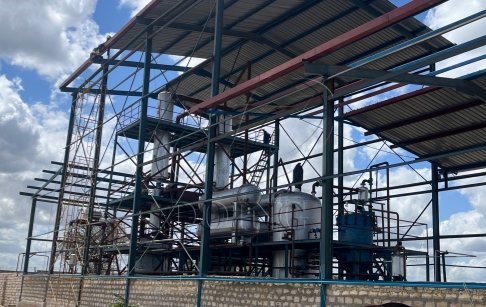
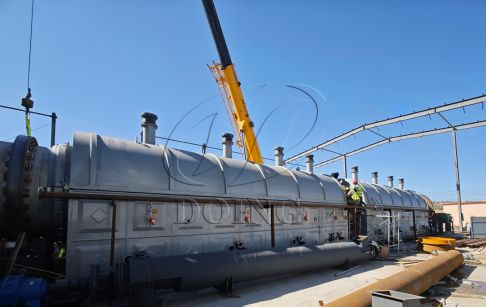
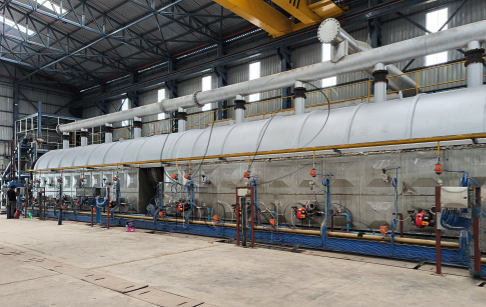
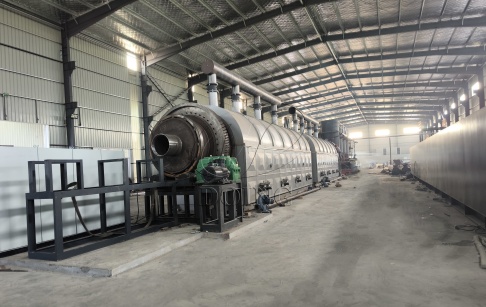
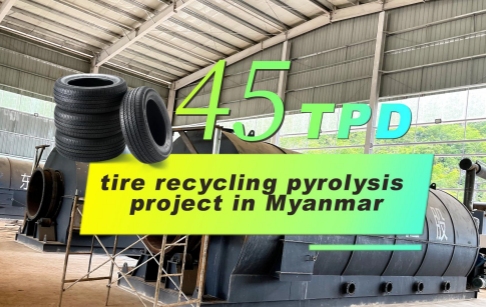
In September 2026, an Argentine cable recycling client ordered a DY-D-3 waste engine oil refining machine from DOING ECO.
| Item | Detail |
|---|---|
| Customer location | Argentina |
| Customer industry | Cable recycling |
| Equipment | DY-D-3 waste engine oil refining machine |
| Initial application | Waste engine oil refining |
| Inquiry | April 2026 |
| Order confirmed | September 2026 |
The client runs a cable recycling operation in Argentina, recovering metals and plastics from end-of-life cables. When the project was first discussed, the direction was clear: invest in pyrolysis equipment to process cable materials, then add a refining stage to treat the resulting plastic oil.
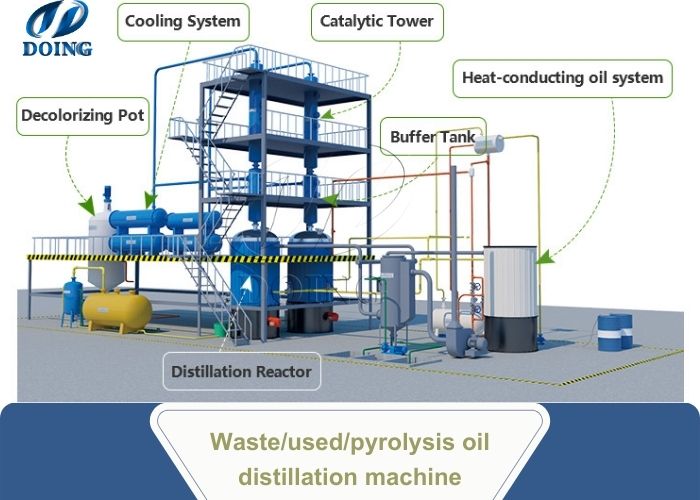
DOING ECO waste engine oil refining machine
During technical discussions with DOING ECO, the client reconsidered the sequence. Instead of starting with the full pyrolysis to refining line, the client decided to begin with waste engine oil refining.
The reasoning was practical. Running the DY-D-3 waste oil refining machine on waste engine oil first lets the Argentine client observe how the equipment performs, understand the refining process from the ground up, and check the quality of the finished diesel before committing to the more variable feedstock that cable plastic oil represents. The cable plastic oil refining plan is not abandoned. It remains the next phase — conditional on the first phase running as expected.
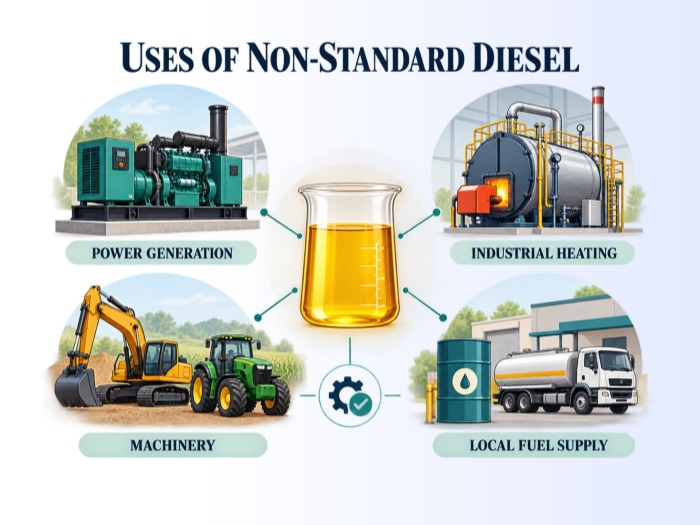
DOING ECO waste engine oil refining machine final product usages
The DY-D-3 waste engine oil refining machine is built for this kind of phased approach. Its core function — converting waste oil into diesel-range fuel through a solid catalyst distillation process — applies whether the feedstock is waste engine oil or, later, cable-derived plastic oil.
The process works as follows. Waste engine oil enters the distillation chamber and is heated under oxygen-free conditions, breaking down into oil gas and residue. The gas moves directly into a catalytic tower without an intermediate cooling stage. Inside the tower, a solid catalyst cracks the vapor — breaking down heavy hydrocarbon chains and contaminants. The treated vapor then goes through fractionation and condensation to produce diesel fuel.
Two aspects of this design matter for the Argentine client’s phased plan. First, the solid catalyst process generates no acid or alkali waste liquid, which removes a handling and compliance burden from the start. Second, the DY-D-3 waste oil refining machine runs on intelligent automated controls, meaning the client’s team can operate it after standard training without specialist refining expertise on site.
| Stage | Feedstock | Purpose |
|---|---|---|
| Phase 1 (this order) | Waste engine oil | Test the equipment, validate output quality, learn the process |
| Phase 2 (planned) | Cable plastic oil | Full pyrolysis-to-refining line, using the refining machine already in place |
The Argentine client evaluated two things: the technical design and the supplier’s background.
On the technical side, the client reviewed the solid catalyst distillation process and found it well-suited to the project arrangement. No chemical waste stream simplifies compliance. Automated controls lower the skill requirement for on-site operators. The process handles the waste engine oil that the client plans to process first, and it can scale to cable plastic oil when the second phase begins.
On the supplier side, the client researched DOING ECO independently before committing. The client was satisfied with what was found. Combined with the preferred waste oil solid catalyst refining process design, that was sufficient. The order was placed directly in September 2026, five months after the initial inquiry.
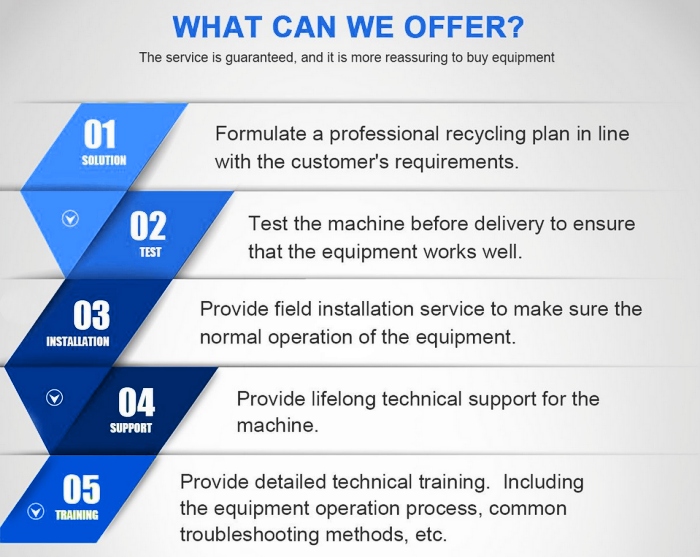
DOING ECO waste oil refining machine manufacturer services
The DY-D-3 waste engine oil refining machine has entered production at DOING ECO’s factory. Once manufacturing is complete, it will be shipped to the client’s facility in Argentina, where it will be used for waste engine oil refining as the first phase of the client’s fuel production plan.