Tel/WhatsApp
0086-135 2669 2320


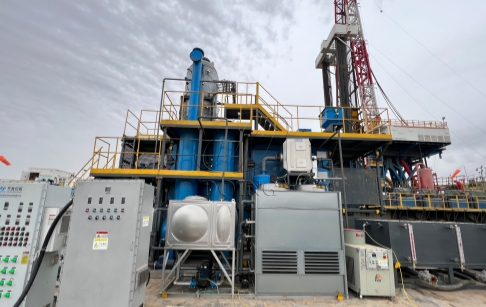
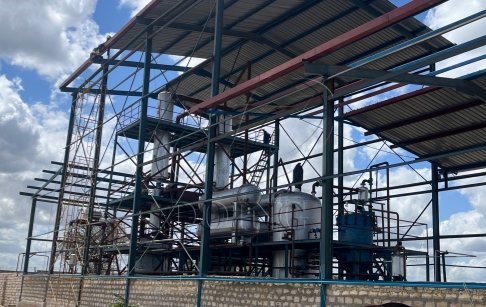
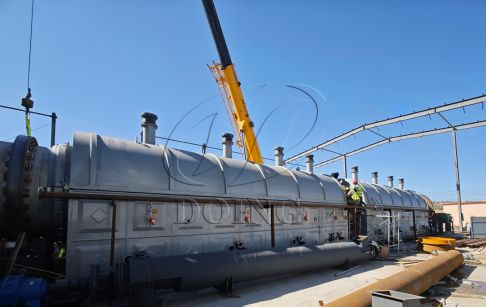
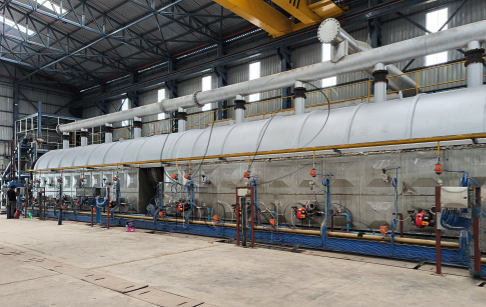
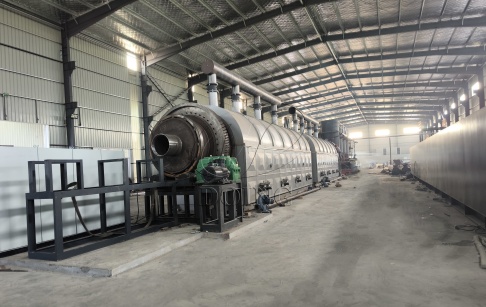
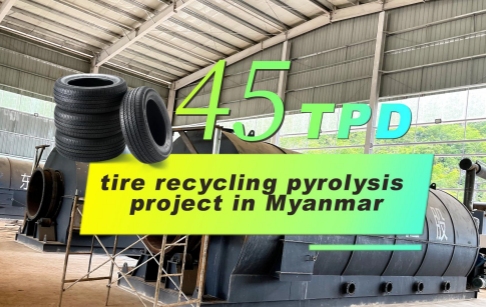
DOING ECO signed a contract in August 2026 with a Malaysian waste recycling client for two 20TPD PE plastic pyrolysis plants.
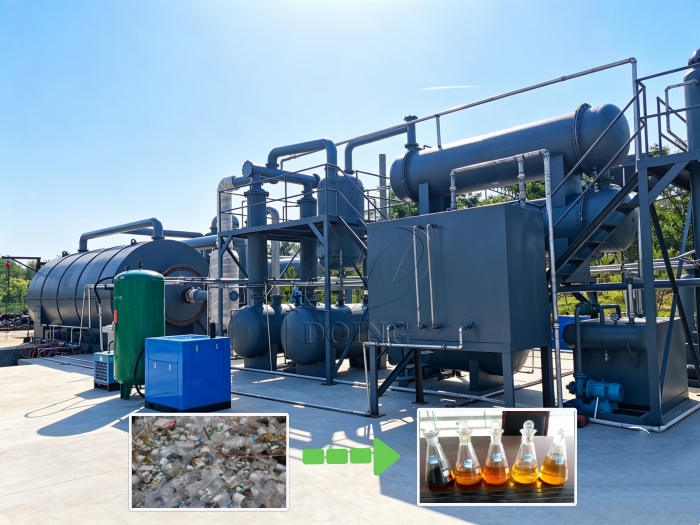
DOING ECO plastic to fuel pyrolysis plant
The customer is an established waste recycling company. For several years, it has collected, sorted and baled post-industrial and post-consumer plastic waste. Profit from this type of trading is limited, and the company wanted a new income stream. After looking at different technologies, they chose pyrolysis because it can directly convert the low-value plastic fraction into oil, carbon black and non-condensable gas. The oil can be used as an industrial fuel or sold to local diesel-blending businesses.
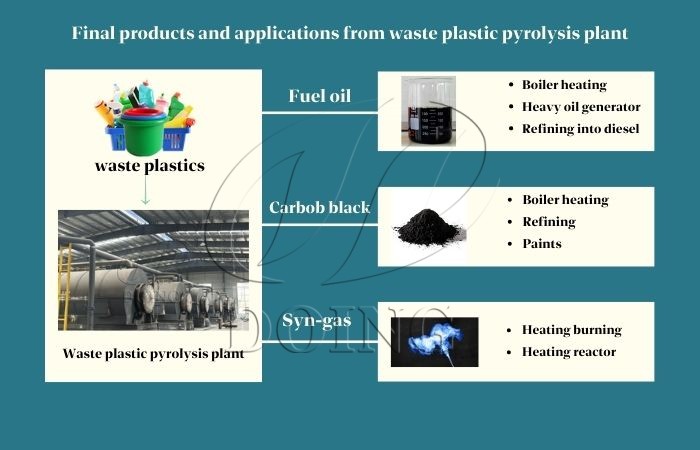
Applications of plastic pyrolysis fianl products
The customer's feed material is typical for the region: a mix of polyethylene film, polypropylene packaging and some hard plastics. Under heat, a large part of this material produces waxy compounds. The buyer spent a significant amount of time studying this point during the negotiation. They knew that a machine with poor dewaxing performance would create two problems: heavy wax in the oil lowers its selling price, and wax sticking to the condensers causes downtime. Both directly cut the return on investment.
In plastic pyrolysis, polymers break down under heat and can form wax — a viscous substance that sticks to reactor walls, condenser pipes, and collection tanks. Feedstock with a high PE content tends to produce the most wax. Beyond clogging lines, wax lowers the fluidity of the pyrolysis oil and reduces its market value. For any operator planning to sell the oil, wax content is a direct quality penalty. Effective dewaxing is therefore one of the practical tests of whether a plastic pyrolysis plant will run reliably and produce saleable output.
Wax in pyrolysis oil shows up in two ways that matter to the buyer. First, it raises the oil's pour point and viscosity, so the oil thickens or solidifies at moderate temperatures and becomes harder to pump, store, and blend. Second, wax residue lowers the oil's appearance and consistency, which buyers discount. An operator who cannot control wax ends up with a product that is technically fuel but commercially weak. This is why the client treated dewaxing as a selection criterion rather than a feature to compare later.
The 20TPD PE plastic pyrolysis plant from DOING ECO handles wax on two levels. First, a dewaxing stage is built into the process route so that wax is separated or treated before the vapor reaches the condenser, limiting buildup in the cooling lines. Second, a catalyst is applied to the oil and gas stream ahead of cooling. The catalyst breaks down wax-forming components and reduces the amount of solid wax in the final oil, while also improving oil fluidity.
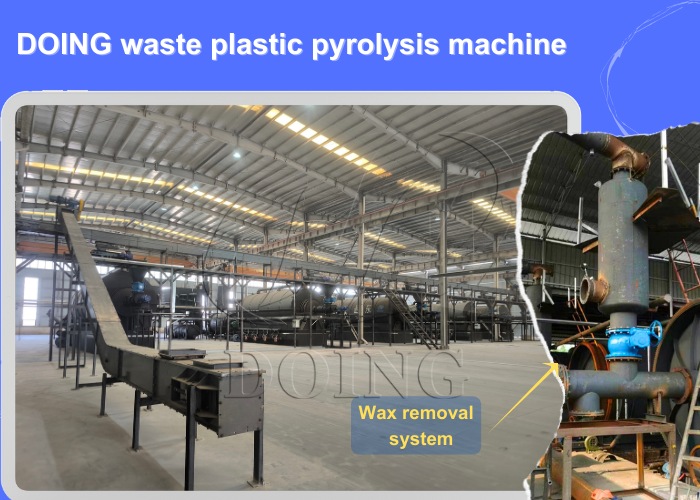
DOING ECO plastic pyrolysis plant wax removal system
The combined effect is a pyrolysis oil with lower wax content and more stable handling characteristics — suitable as fuel or for further refining. This dewaxing-plus-catalyst approach is an established part of DOING ECO's plastic pyrolysis design rather than an add-on, which is what the client evaluated during the plant visits.
The PE plastic pyrolysis plant moves material through a fixed sequence:
| Stage | Function |
| Reactor pyrolysis | Plastic heated without oxygen, decomposed into oil gas and solid residue |
| Dewaxing stage | Wax separated or treated before the vapor enters the condenser |
| Catalyst section | Applied to oil-gas stream to break down wax components |
| Condensation | Oil gas cooled and collected as liquid fuel oil |
| Residue output | Solid residue collected as carbon black |
Placing dewaxing and catalyst treatment before condensation is what keeps wax out of the cooling system and the final tank.
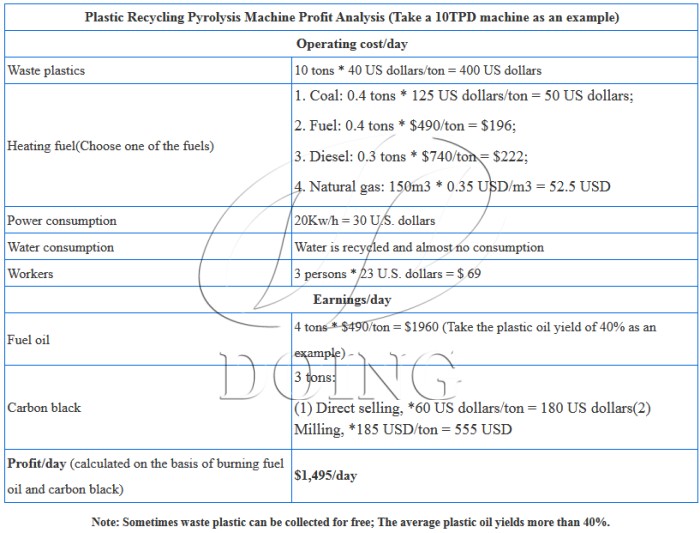
DOING ECO plastic pyrolysis plant profit analysis
The two 20TPD PE plastic pyrolysis plants are now in DOING ECO's production schedule and will be delivered to the client's site in Malaysia as planned.