Tel/WhatsApp
0086-135 2669 2320


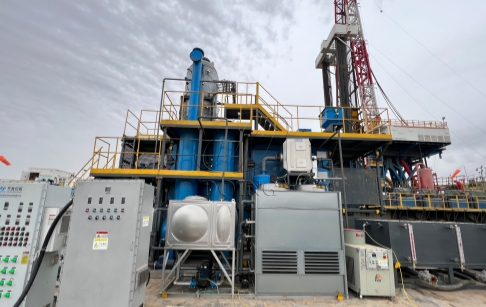
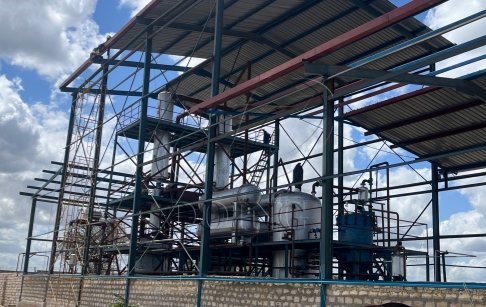
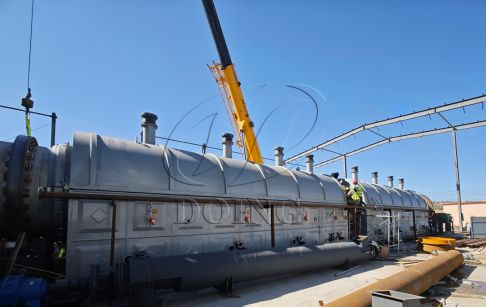
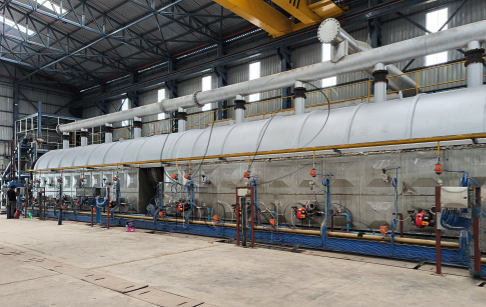
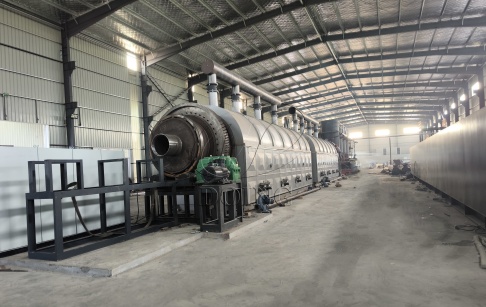
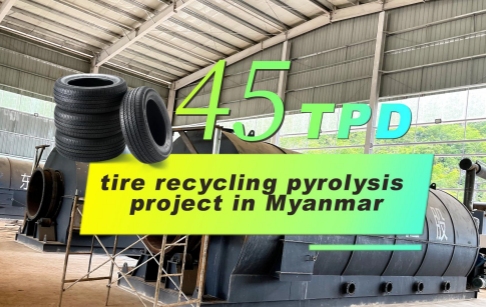
DOING Holdings confirmed an order in August 2026 with a Malaysian waste management firm for one DY-10 batch oil sludge pyrolysis machine. The customer runs a demolition business and recovers scrap metal — mainly carbon steel — from dismantled structures. The order is part of a larger step: the company is building its own waste recycling facility and moving into oil sludge treatment and broader solid waste processing.
The customer has worked in Malaysia's waste management sector for years, with established capability in handling ferrous scrap such as carbon steel. Two drivers pushed the company toward oil sludge processing:
Current Business: The customer signed pipeline dismantling contracts with local oil and gas operators. These projects produce a steady volume of oil sludge that had to be treated.
Market expansion: Beyond its own sludge, the customer plans to accept waste from other generators and position the site as a regional waste recovery center.
A new recycling facility is under construction to support this plan. The pyrolysis machine is a core unit in that facility. The customer's machine requirements were clear: handle its sludge output, leave room for external waste intake, run steadily, and stay practical to operate for a multi-stream processing site.
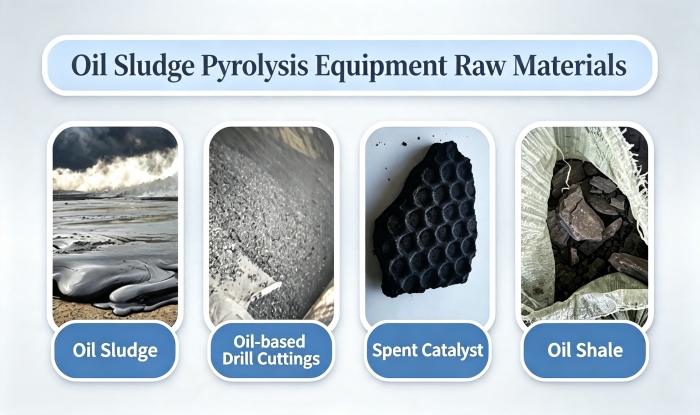
Oil sludge pyrolysis machine raw material
The pyrolysis machine applies direct firing to the reactor body, which gives quicker thermal response than indirect heating setups and handles the inconsistent composition typical of pipeline and tank sludge. The recovered pyrolysis oil can be used as fuel for industrial boilers in facilities such as cement plants and steel mills, or further refined. The solid residue carbon black can be reprocessed into high quality carbon by the carbon black processing plant. And off-gas can be recycled as fuel to heat the reactor, added secondary value that improves the unit’s payback for a commercial operator.
The customer visited DOING's factory in February 2026. The trip was a supplier comparison and plant inspection — the customer had already spoken with other pyrolysis machine users and heard that some machines on the market suffer from reactor coking, which raises cleaning frequency and cuts cycle efficiency. During the visit, the DOING team walked through the DY-10 pyrolysis machine construction, heating control, and the operational practices that keep carbon buildup under control, using actual process data.
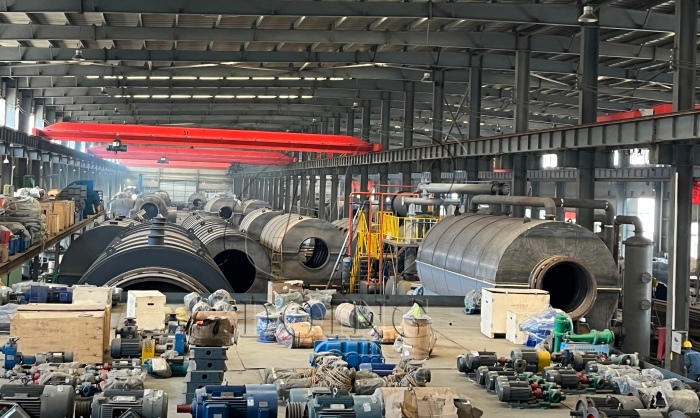
DOING oil sludge pyrolysis machine manufacture factory
Common causes of caking during the heating cycle:
| Cause | What happens |
| Solid concentration after water loss | As water and light fractions boil off, remaining solids bind together into clumps |
| Cold spots in the reactor | Sludge near cooler wall sections solidifies into a crust instead of staying fluid |
| Static material without mixing | Sludge left unmoved forms a hardened layer at the bottom and along walls |
| High wax or asphaltene content in feedstock | These components re-solidify at lower temperatures and promote fusion |
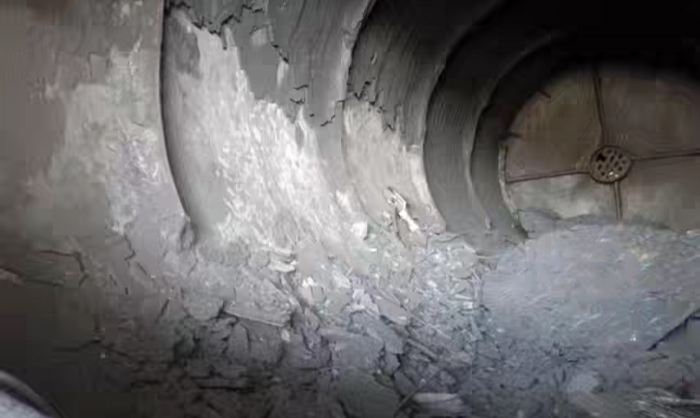
Coking phenomenon during the pyrolysis of oily sludge
How the DOING pyrolysis machine is built to limit caking:
| Countermeasure | Effect |
| Mechanical stirring system | Keeps the batch moving and breaks up incipient clumps before they harden |
| Temperature control | Holds the full reactor length within the target range, removing cold spots |
| Controlled heating ramp | Raises temperature gradually through the softening phase to avoid surface crusting |
| Horizontal cylindrical reactor geometry | Promotes material turnover and reduces static contact with walls |
The DY-10 batch oil sludge pyrolysis machine will be delivered to the customer's facility in Malaysia per the agreed schedule. DOING will provide operational support during the customer's start-up phase.