Tel/WhatsApp
0086-135 2669 2320


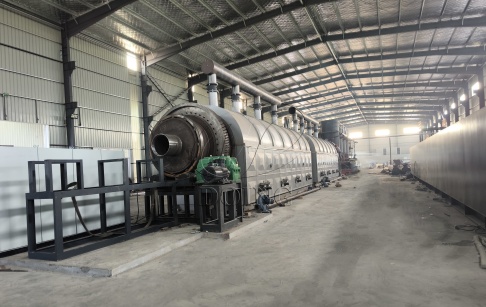
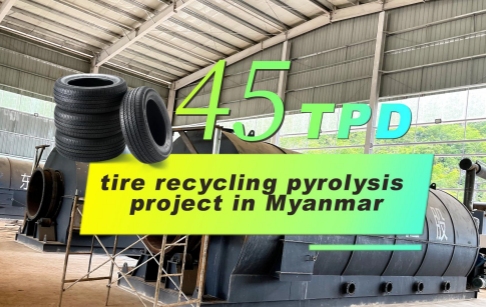
A common misconception in mixed plastic recycling is that all types of plastic can be fed directly into a pyrolysis plant without any preparation. In practice, this is not the case. While compatible plastics such as PE, PP, and PS can generally be processed together, contaminants, excessive moisture, and high levels of PVC or PET should be controlled before pyrolysis.
With suitable pre-treatment and a properly designed pyrolysis system, compatible mixed plastics can be efficiently converted into pyrolysis oil, carbonaceous residue, and non-condensable combustible gas. Henan DOING Company provides customized pyrolysis solutions based on the composition and processing requirements of different mixed plastic waste streams.
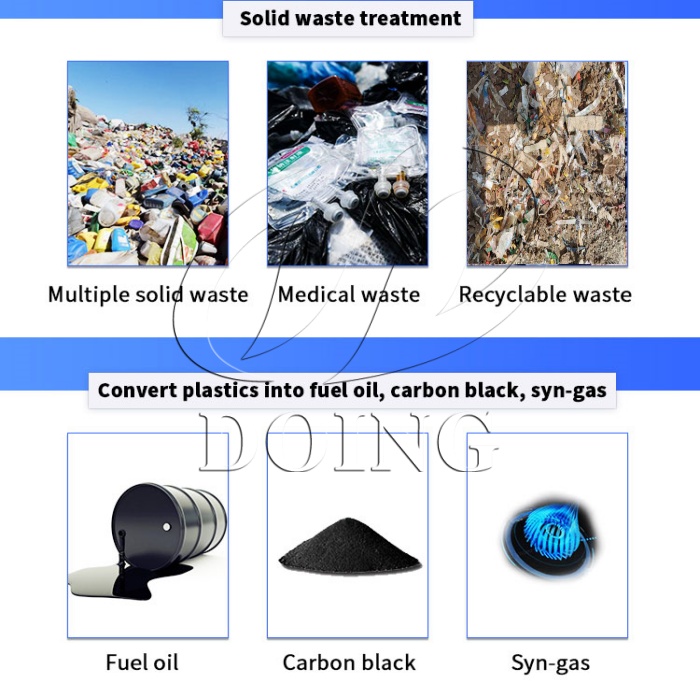 Products obtained from mixed plastics via pyrolysis equipment
Not all plastic types need to be separated individually before pyrolysis. PE, PP, and PS can generally be processed together because their thermal decomposition characteristics are compatible.
However, some materials require additional attention:
| Feedstock | Recommended Treatment |
| PE + PP + PS | Can generally be processed together |
| Mixed plastics with small impurities | Remove non-plastic contaminants |
| High PVC content | Remove or reduce as much as practical |
| High PET content | Separate as much as practical |
| Metals, stones, and dirt | Must be removed |
| High moisture | Drying recommended |
PVC deserves particular attention because it can generate chlorine-containing and corrosive compounds during pyrolysis, increasing equipment corrosion and gas-treatment requirements. Therefore, high PVC content is not recommended for direct processing.
PET generally produces less pyrolysis oil and more solid residue than PE and PP, which can reduce liquid product yield when present in high proportions. Therefore, PET should be separated as much as practical.
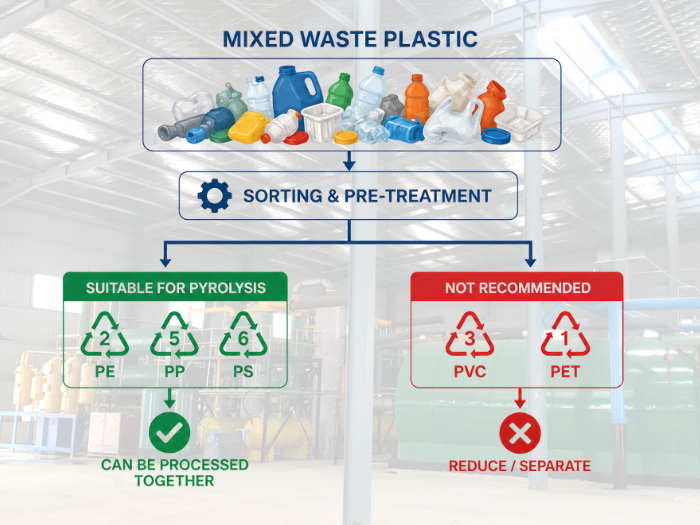 Mixed plastic waste sorting for high efficient pyrolysis
For most mixed plastic waste, the preparation process is relatively simple:
Sorting → Shredding → Drying
Sorting
Remove metals, stones, glass, dirt, and other non-plastic materials. PVC and PET should also be reduced when they account for a significant proportion of the feedstock.
Shredding
Large plastic pieces should be reduced to a suitable size for the feeding system. For semi-continuous plastic pyrolysis systems and fully continuous plastic pyrolysis plants, plastic can be shredded to around 5–20 mm.
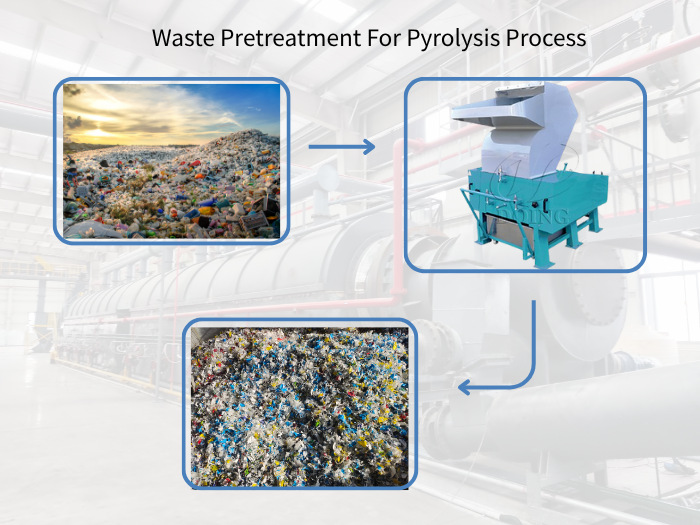 High-efficiency pretreatment process for the pyrolysis of mixed plastics
Drying
If the plastic contains excessive moisture, drying is recommended. Lower moisture content helps reduce unnecessary energy consumption and improve process stability.
The purpose of pre-treatment is not to create a perfectly separated plastic stream, but to provide cleaner, drier, and properly sized feedstock for stable pyrolysis operation.
After pre-treatment, the plastic enters a sealed reactor and is heated in an oxygen-free environment.
The basic plastic prolysis plant working process is:
Waste Plastic Feedstcok→ Pre-treatment → Pyrolysis → Condensation → Oil Collection → Gas Recycling → Residue Discharge
During pyrolysis, the plastic is converted into hydrocarbon vapors and solid residue. The vapors are cooled through the condensation system to recover pyrolysis oil, while non-condensable combustible gas can be recycled as heating fuel after purification.
The remaining carbonaceous residue is discharged for further processing or utilization according to its properties.
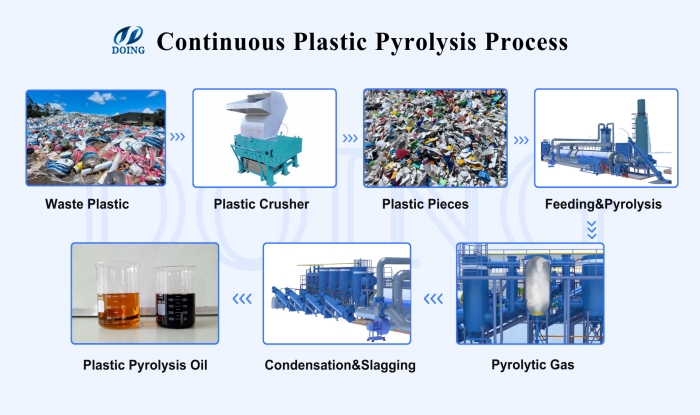 The basic plastic prolysis plant working process
The main products of a mixed plastic pyrolysis plant are:
1. Pyrolysis oil – The main liquid product, generally used as industrial fuel in cement plants, brick and ceramic factories, lime kilns, industrial boilers, and other heating applications. Depending on its properties, it can also be further refined into higher-quality fuel.
2. Carbon black – The solid product can be used in rubber products, asphalt modification, construction materials, and other industrial applications, depending on its quality and composition.
3. Non-condensable gas – A combustible gas that is normally recycled to heat the pyrolysis reactor, helping reduce external fuel consumption after startup.
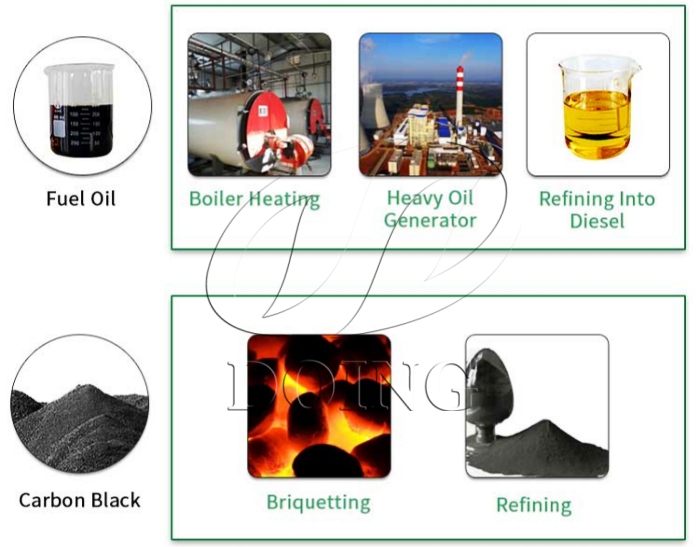 Wide-ranging applications of plastic pyrolysis products
Typical Product Yield
The product ratio of mixed plastic pyrolysis is not fixed because it depends on the composition of the feedstock. As a general reference, pyrolysis oil can account for about 50%–80%, while the remaining portion consists mainly of carbon black and non-condensable gas.
Plastics with a higher proportion of PE, PP, and PS generally produce more liquid products, while higher PET content tends to increase solid residue and reduce oil yield. Therefore, the actual product distribution should be determined based on the customer's specific feedstock composition and operating conditions.
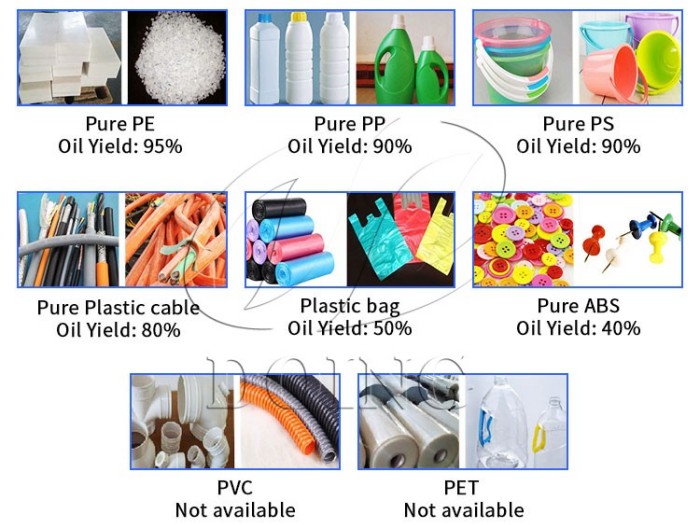 Oil yield from the pyrolysis of different plastics
Henan DOING provides customized pyrolysis solutions based on the customer's actual feedstock composition and processing requirements.
1. Strong mixed-plastic adaptability: Compatible plastics such as PE, PP, and PS can be processed together after appropriate preparation.
2. Customized pre-treatment systems: Sorting, shredding, drying, and feeding systems can be configured according to the specific characteristics of mixed plastic waste.
3. Efficient gas recycling: Non-condensable gas can be recycled to the heating system, helping reduce external fuel consumption after startup.
4. Durable equipment consfiguration: Key plastic pyrolysis reactor components are made from heat-resistant and corrosion-resistant materials suitable for long-term high-temperature operation, helping improve equipment durability and service life.
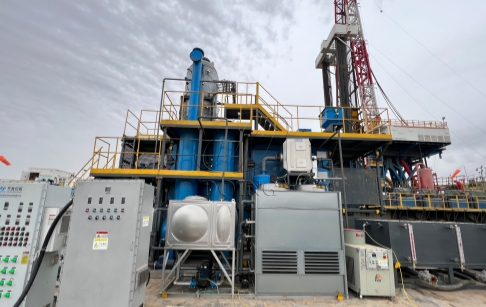
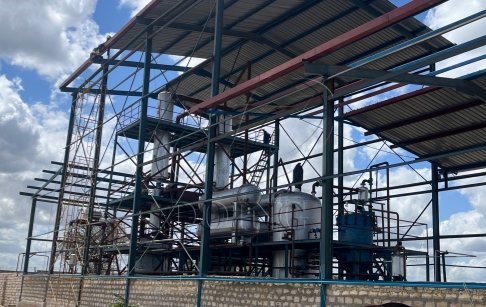
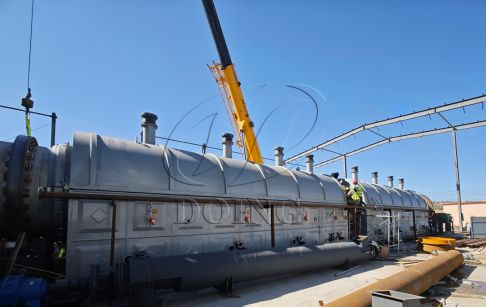
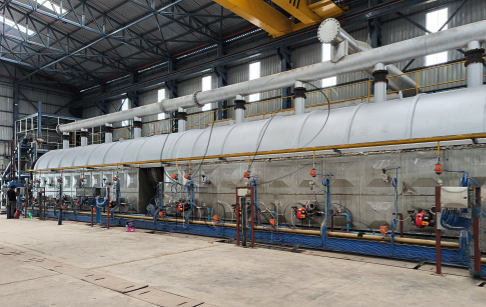
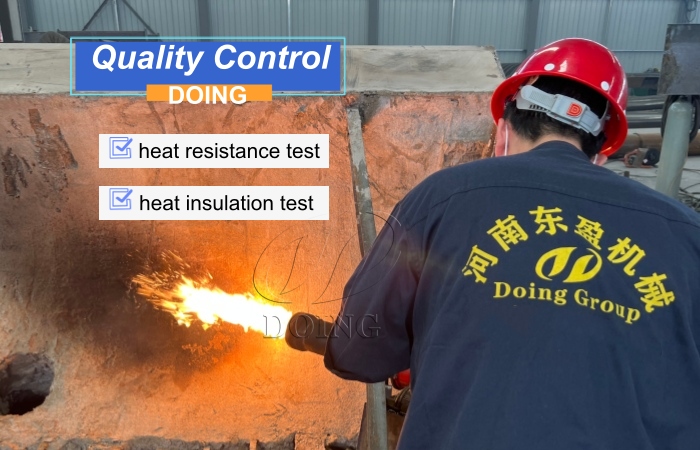 Henan DOING high-quality pyrolysis reactor
5. Solutions for wax formation and material sticking: For common problems in plastic pyrolysis process such as wax formation and material sticking to the reactor wall, DOING can provide wax removal devices such as wax collection and buffer tanks, optimize the heating curve, and use catalysts when appropriate to improve pyrolysis performance.
6. Reliable emission control and compliance support: Multi-stage gas treatment and purification systems help control emissions. DOING can also provide technical documentation and project support for environmental assessments, emission requirements, and other regulatory procedures according to local requirements.
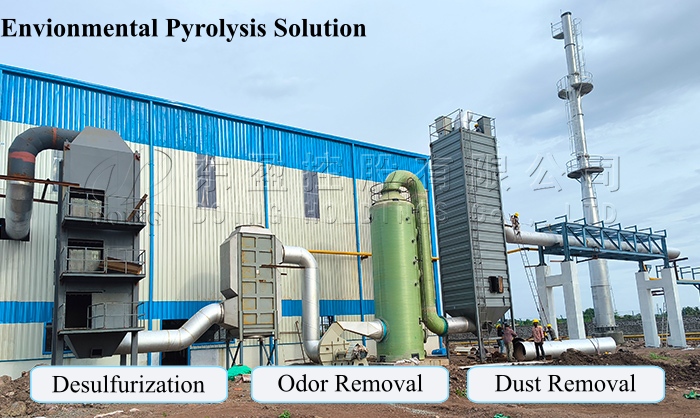 Environmentally friendly system for plastic pyrolysis equipment
This approach allows customers to focus on practical feedstock preparation rather than costly complete plastic separation, making mixed waste plastic pyrolysis a more practical recycling option.
The key to successful mixed plastic pyrolysis is not complete separation of every plastic type, but proper feedstock preparation and a suitable process design. Removing contaminants, controlling PVC and PET content, reducing moisture, and matching the equipment to the feedstock are important for stable operation and consistent results.
If you are planning to recycle mixed plastic waste, send Henan DOING your feedstock photos, estimated composition, moisture content, and required processing capacity. Our engineers can evaluate the material and recommend a suitable plastic pyrolysis solution.