Tel/WhatsApp
0086-135 2669 2320


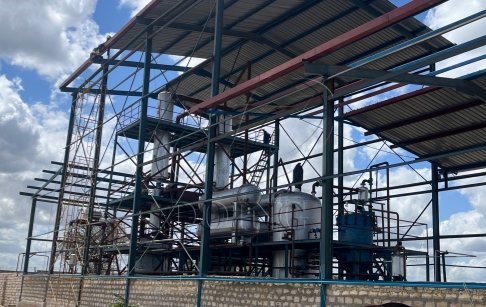
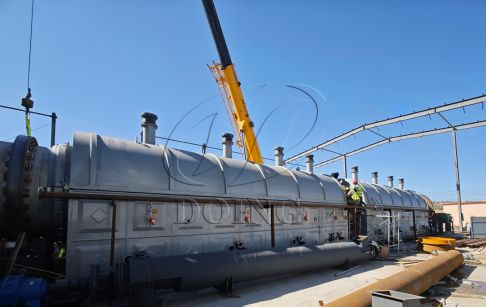
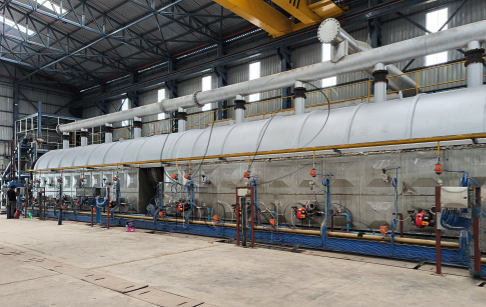
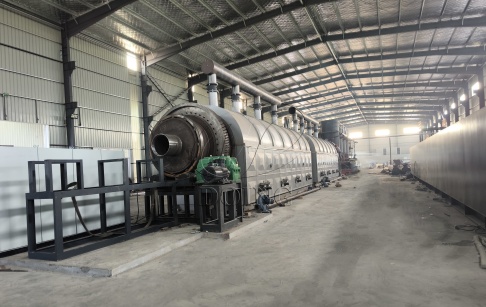
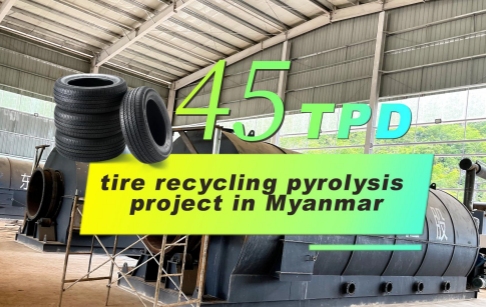
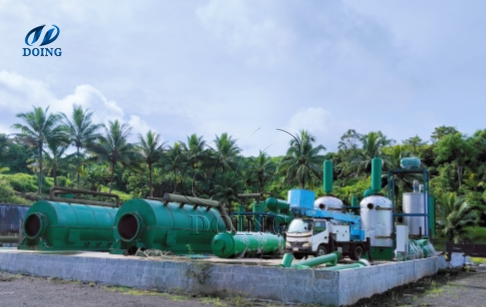
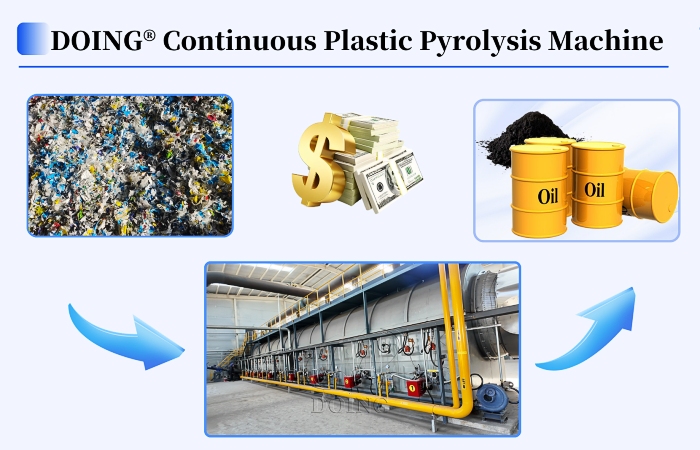
The fully continuous pyrolysis plant is mainly used for processing high-molecular organic waste, especially the major categories such as waste tires, waste plastics, and oil sludge. DOING, as a manufacturer specializing in the research and development of waste pyrolysis plant, has a history of over 15 years. We are one of the few pyrolysis plant suppliers in China that can provide solutions covering the entire waste recycling field, ranging from single-batch pyrolysis plant to semi-continuous pyrolysis plant and fully continuous pyrolysis plant.
Especially the fully continuous pyrolysis plant can handle a wide variety of waste types, including used tires, rubber, plastics, oil residues, and coal tar, etc., provided they meet specific preparation criteria.
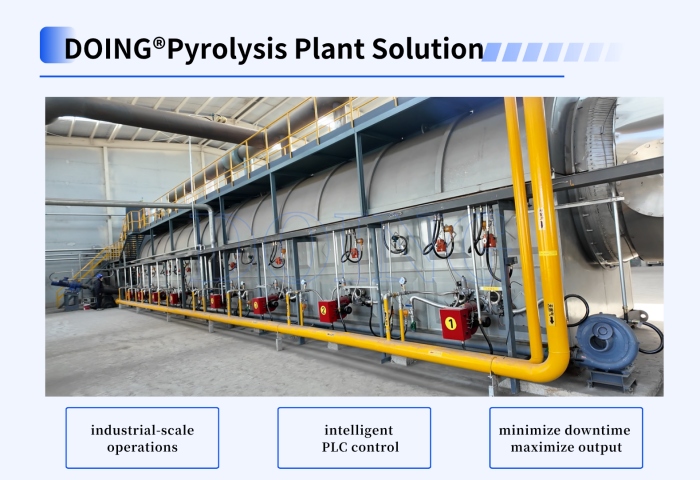
DOING fully continuous pyrolysis plant
To ensure smooth, efficient operation and high-quality outputs from our fully continuous pyrolysis plant, careful pre-treatment is essential for each material type.
Suitable Materials: Various types of used tires (car, truck, OTR), industrial rubber products, and cable sheaths.
Pre-treatment Guidelines:
Steel Wire Extraction: All steel wires must be systematically removed from the tires, typically achieved using a dedicated tire wire drawing machine.
Crushing: The de-wired rubber needs to be crushed into uniform particles or blocks, ideally ranging from 2–30 mm.
Contaminant Removal: Minimizing or eliminating residual steel wires in the crushed rubber is crucial, as they can interfere with continuous feeding mechanisms and discharge systems, potentially causing blockages or accelerated equipment wear.
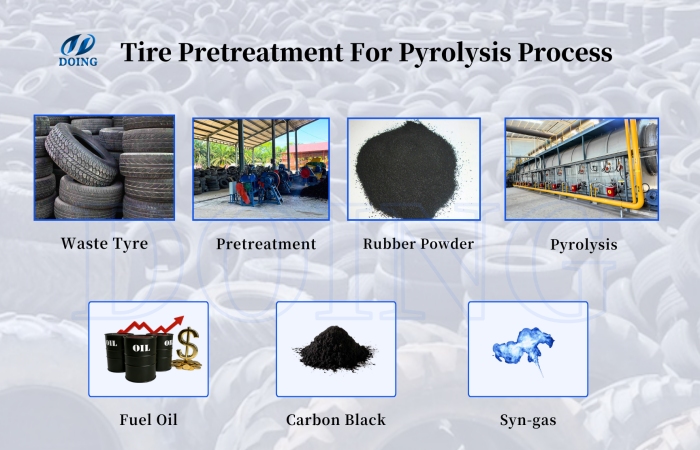
Tire pretreatment for fully continuous pyrolysis plant
High Oil Yield Materials: Polypropylene (PP), Polyethylene (PE), and Polystyrene (PS) are excellent choices due to their favorable oil conversion rates. Acrylonitrile Butadiene Styrene (ABS) and Polymethyl Methacrylate (PMMA) can also be processed.
Materials to Strictly Avoid:
Polyvinyl Chloride (PVC): Pyrolysis of PVC generates corrosive acid, which severely compromises pyrolysis plant integrity and significantly shortens its operational lifespan.
Polyethylene Terephthalate (PET): PET tends to undergo excessive carbonization at pyrolysis temperatures, leading to substantial build-up within the reactor, operational instabilities, and reduced oil yields.
Pre-treatment Guidelines:
Sorting & Separation: Thoroughly sort and separate out all PVC and PET plastics from your waste stream. This is an absolute requirement for fully continuous pyrolysis plant longevity and output quality.
Size Reduction: Plastics should ideally be crushed into uniform, small sizes to ensure stable feeding and optimize the pyrolysis process.
Custom Solutions for PVC: If your raw materials, despite best efforts, inevitably contain a small percentage of PVC, it is imperative that you inform DOING about its specific content. We can then assess the feasibility of providing a customized, corrosion-resistant solution tailored to your operational needs.
Plastic feedstocks for DOING fully continuous pyrolysis plant
Suitable Materials: Various forms of oily sludge, oil sands, tank bottom sludge, and other waste residues from oil refineries.
Restrictions: Materials with excessive moisture content or large, irreducible solid impurities.
Pre-treatment Guidelines:
Dehydration: If the moisture content exceeds 30–40%, it will significantly impair processing efficiency and increase energy consumption. Prior mechanical dehydration is therefore necessary.
Impurity Removal: Large solid impurities such as stones, metals, or excessive sand should be removed to prevent damage to the feeding system and the pyrolysis reactor itself.
The oil recovery rate from these materials is directly proportional to their initial oil content. We are able to offer sample testing to provide an assessment of potential oil yields.
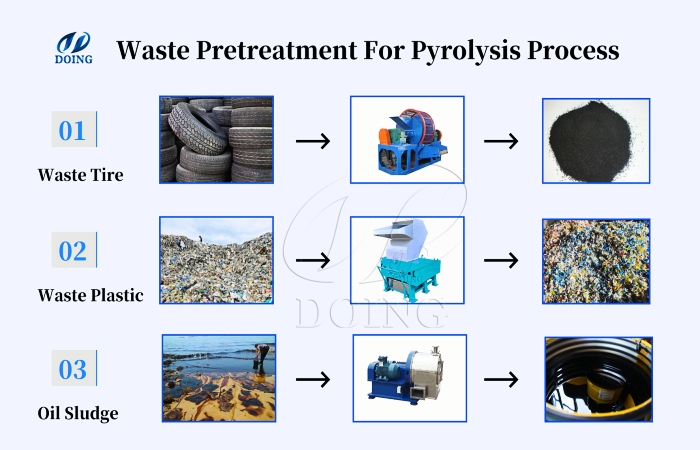
Waste pretreatment for fully continuous pyrolysis plant
Suitable Materials: Specific categories of domestic waste plastics (post-separation), medical waste like Plastic IV bags, medicine bottles , and certain waste streams from paper mills, etc.
General Pre-treatment Principles:
Inorganic Removal: All non-pyrolyzable inorganic components must be removed.
Moisture Reduction: Moisture content needs to be controlled and reduced to an acceptable level.
Particle Size Control: A consistent and appropriate particle size is essential to facilitate continuous and stable feeding.
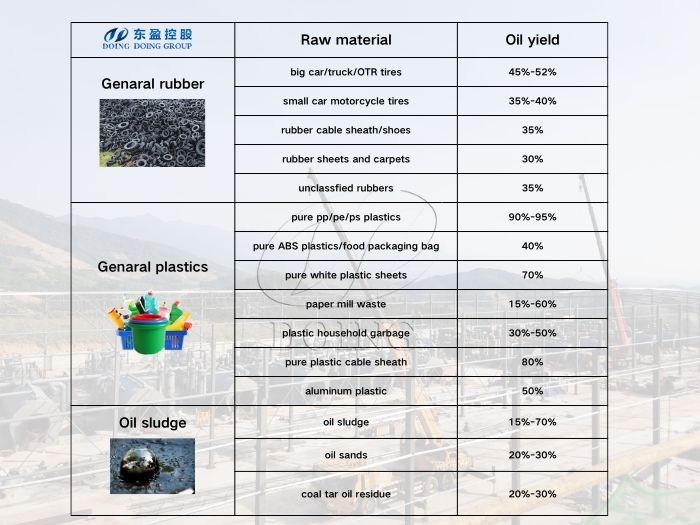
Raw materials for DOING pyrolysis plant
The greatest advantage of DOING's fully continuous pyrolysis plant is its ability to operate 24 hours a day without interruption last for 40 days, leading to higher processing capacities and greater efficiency. This continuous operation, however, is contingent upon the consistent quality and appropriate pre-treatment of your raw materials.
Our fully continuous pyrolysis plant utilizes indirect heating technology, which means the reactor is heated externally without direct contact with the flames. This design leads to several benefits:
Cleaner Oil: The produced pyrolysis oil has a lower dust content and better overall quality.
Extended Equipment Lifespan: Indirect heating helps maintain uniform temperatures and reduces stress on the pyrolysis reactor materials, contributing to a longer service life for the plant.
Enhanced Safety: Reduces direct exposure to combustion gases within the reactor.
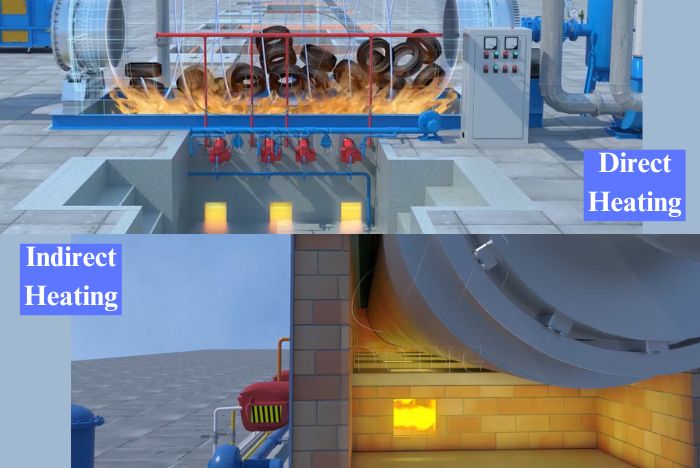
DOING pyrolysis plant heating methods
We don't just supply pyrolysis plant, we offer comprehensive solutions. This includes guiding you through the necessary pre-treatment processes and, if required, we can even provide supporting equipment for crushing, shredding, and dewatering to prepare your materials perfectly for continuous pyrolysis.
To help us assess the most suitable solution for you, please provide us with the following specific details:
Your exact raw material type(s).
Your estimated daily processing capacity.
Any known contaminants, such as PVC content in plastics, high moisture levels in sludge, or residual steel wires in rubber.
Based on your information, we can then accurately evaluate:
The approximate pyrolysis oil output rate you can expect.
The precise pre-treatment processes required.
Whether a fully continuous pyrolysis plant is the best fit for your needs, or if a semi-continuous or batch solution would be more appropriate.
Contact DOING Company, and let's turn your organic waste into valuable energy!