Tel/WhatsApp
0086-135 2669 2320


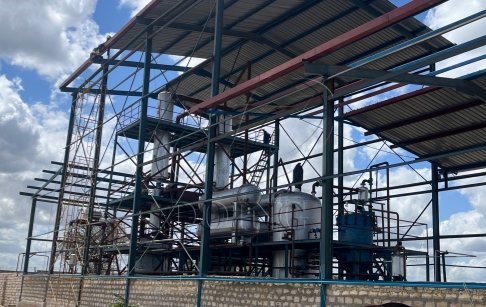
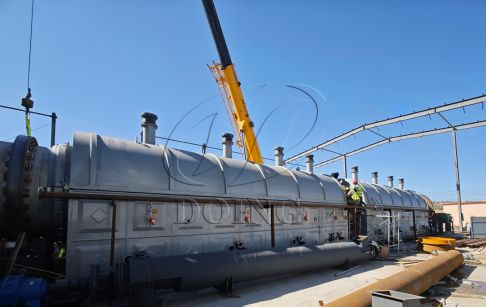
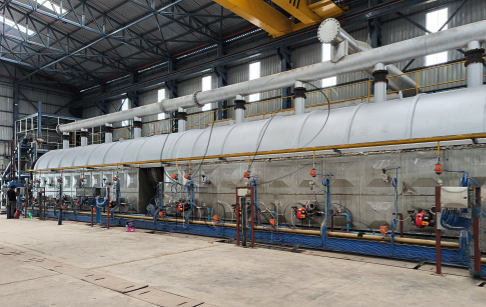
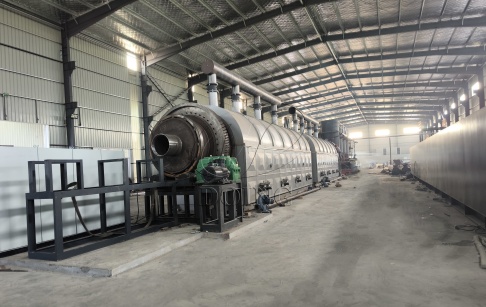
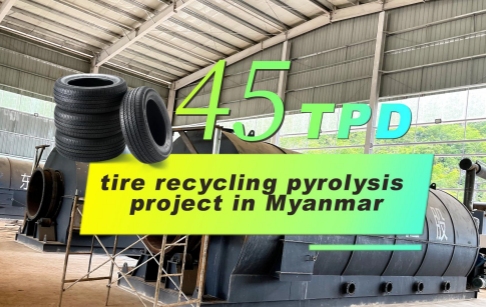
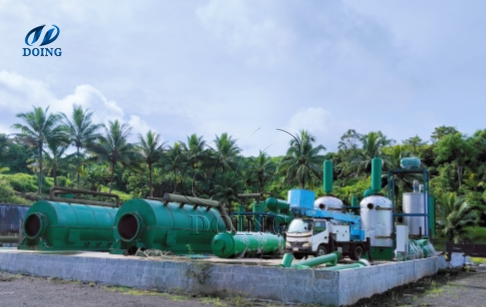
At DOING Company, our waste oil distillation plants are engineered to efficiently convert various types of waste mineral oils, such such as used engine oil (waste motor oil, engine oil, pyrolysis oil, etc), into diesel fuel. This article will introduce the three core stages of our refining process, ensuring a clear and effective transformation from waste oil to valuable fuel using our advanced distillation technology.
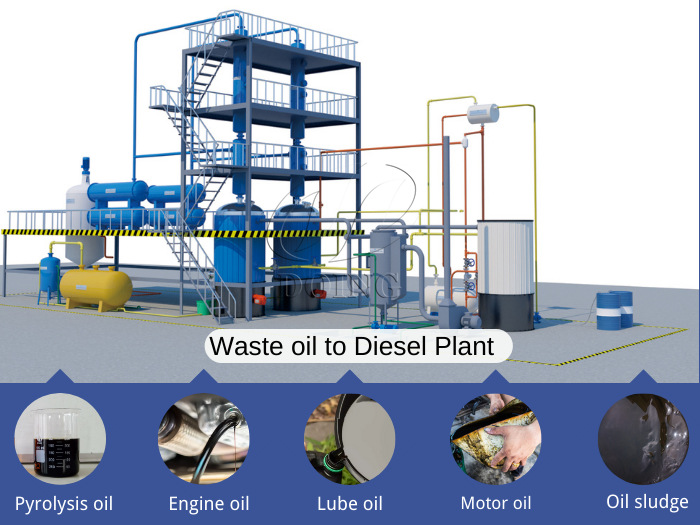
DOING waste oil distillation plant
The initial and crucial step in refining waste motor oil is pre-treatment, primarily focusing on removing unwanted impurities and water content. Waste oil typically contains 5% to 30% water. If the water content significantly exceeds this range, it can hinder the efficiency of oil recovery.
To address this, the raw waste oil is first pumped into our distillation reactor. Our system then activates a fast heating mechanism, gradually raising the temperature to approximately 100 degrees Celsius. This temperature is maintained for a specific period, allowing all the water to be completely vaporized and safely removed from the waste oil. This meticulous de-watering process ensures that the subsequent distillation yields diesel fuel with minimal water content, optimizing overall refining efficiency and final product quality.
It is during the early stages of this distillation that initial oil output, particularly from waste motor oil, can be milk-like and possess a strong, undesirable odor (often referred to as 'dirty oil'). Our plant design includes a mechanism to separate and collect this small quantity of smelly oil into a dedicated tank, preventing contamination of the final, high-quality diesel product.
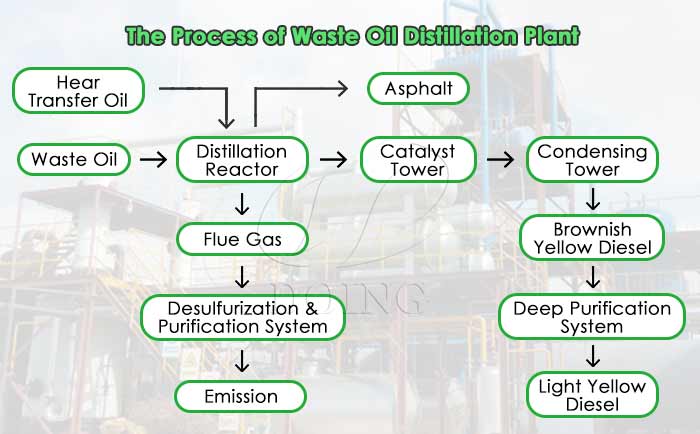
DOING waste oil distillation plant working process
Following pre-treatment, the waste oil undergoes high-temperature distillation to separate it into valuable oil gas, which is then refined through our specialized catalytic systems.
Both the main burner and the heat transfer oil are heated simultaneously to rapidly elevate the temperature within the reactor. The heat transfer oil typically reaches temperatures between 250 to 380 degrees Celsius, initiating the continuous distillation of oil and gas from the pre-treated waste oil.
A key differentiator of DOING plants lies in our advanced catalytic treatment, which can be applied in two primary ways to optimize the diesel yield and quality:
Option A: Solid Catalytic Refining: This advanced system utilizes DOING's specially formulated solid catalysts. In this method, the distilled oil gas directly enters a specialized solid catalyst tower. Here, our proprietary solid catalyst technology purifies the oil gas, effectively removing impurities and improving its chemical composition before it enters the cooling system. After catalysis, the refined oil gas flows into a multi-stage condenser, where it condenses into liquid oil and is collected.
This system offers several significant advantages: it notably shortens the overall production process, thereby saving valuable time and resources. Furthermore, it boasts higher energy efficiency during operation and generates less waste, making it a more environmentally friendly and sustainable solution. Its highly automated nature makes it particularly suitable for modern industrial-scale waste oil to diesel production, providing superior performance and enhanced economic benefits.
Option B: Acid-Base Liquid Catalytic Refining: Alternatively, the distilled oil gas first passes through our multi-stage condenser to condense into crude oil. This condensed oil then is treated with acid and alkali liquids to effectively neutralize impurities and decompose harmful pollutants.
This traditional and robust system is a verified and reliable method for waste oil treatment.
The final stage focuses on enhancing the quality, appearance, and smell of the refined oil, ensuring it meets commercial diesel standards, followed by efficient collection.
For ultimate product quality and market readiness, the oil from the catalytic stage then undergoes fine purification and decolorization. This involves processing the refined oil through dedicated decolorization tanks and highly efficient blade filters. These technologies are crucial for removing any residual color and further eliminating odors, resulting in clean, brightly-colored non-standard diesel. This optional but highly recommended step significantly improves the aesthetic and commercial value of the final product.
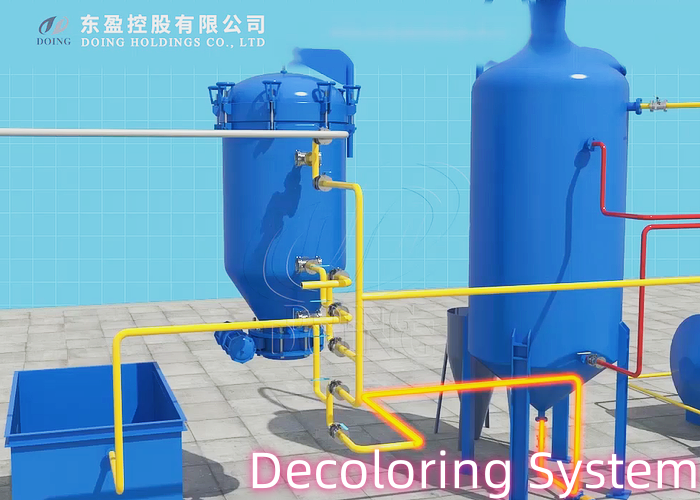
DOING waste oil distillation decoloring system
Once all purification steps are complete, the high-quality diesel fuel is collected in a dedicated storage tank, ready for use or sale. Any bitumen or asphalt residue from the distillation process is also managed responsibly, either for internal use or commercial sale.
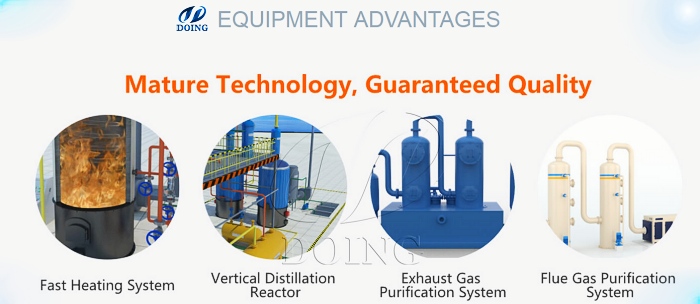
DOING waste oil distillation plant details
DOING Company emphasizes these distinct stages and offers flexible refining pathways to ensure a comprehensive and efficient waste oil refining process, transforming various types of waste oil into valuable resources with measurable quality outputs. For more technical details about our waste oil distillation plant and to discuss the best pathway for your needs, please contact us directly.