Tel/WhatsApp
0086-135 2669 2320


Waste aluminum-plastic composite materials, prevalent in our daily lives as medical blister packs, food packaging, construction panels, and beverage cartons. Their composite nature—a layered combination of plastic and aluminum—makes traditional recycling methods difficult and often inefficient. Pyrolysis, a thermal decomposition process, has emerged as a promising technology to recover valuable resources (pyrolysis oil, syngas, carbon black, and aluminum) from these wastes.
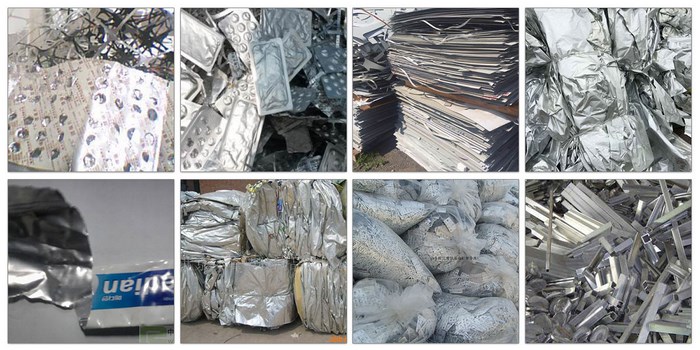
Waste aluminum plastic materials
However, a common misconception is that all pyrolysis furnaces are equally capable of handling diverse waste streams. While pyrolysis itself is a versatile technology, the specific design and operational principles of different furnace types dictate their suitability for certain materials. This article will delve into why fully continuous pyrolysis furnaces, despite their inherent efficiency, are generally unsuitable for waste aluminum-plastic recycling.
A fully continuous pyrolysis furnace is engineered for uninterrupted operation, maximizing output and efficiency. This continuous workflow hinges on several critical, synchronized processes:
1. Continuous Feeding
To achieve truly continuous operation, the pyrolysis reactor must maintain a completely sealed environment to prevent gas leakage, ensure safety, and optimize reaction conditions.
This robust sealing mechanism, however, imposes strict requirements on the raw materials: Raw materials should be kept as clean as possible, and their moisture content is generally recommended to be controlled at 30% or even below 15%. The raw materials must undergo pre-crushing to prevent pipeline blockages, incomplete pyrolysis, and the accumulation and adhesion of solid residues within the reactor.
2. Continuous Carbon Black Discharging
Continuous carbon black discharging is the second indispensable factor for maintaining a continuous pyrolysis process. The carbon black generated during pyrolysis is a fine powder, often mixed with residual oil and gas. Without proper management, it can easily accumulate and block discharge points. The discharged carbon black is free from any big metallic or hard impurities.
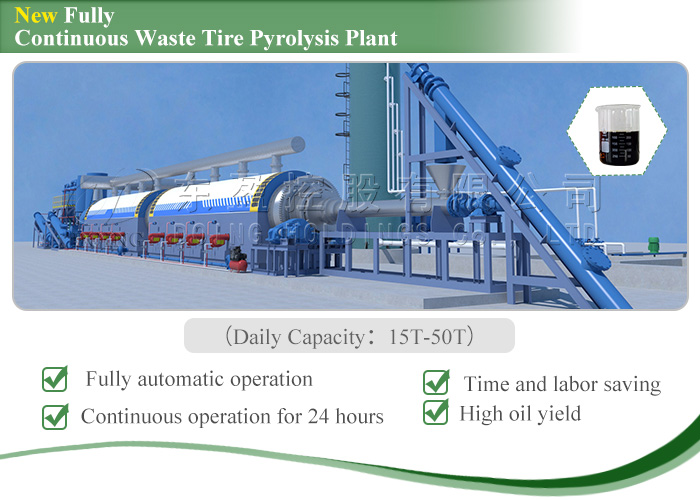
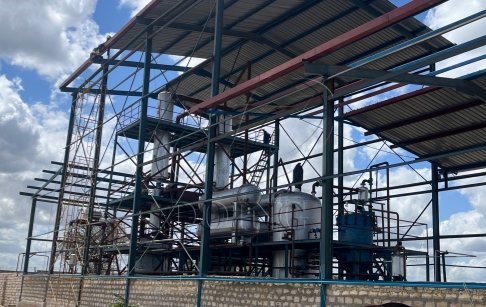
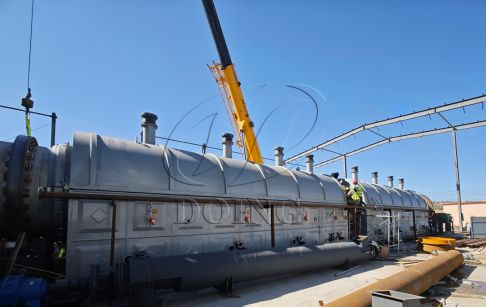
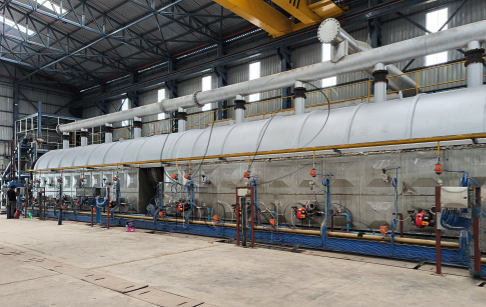
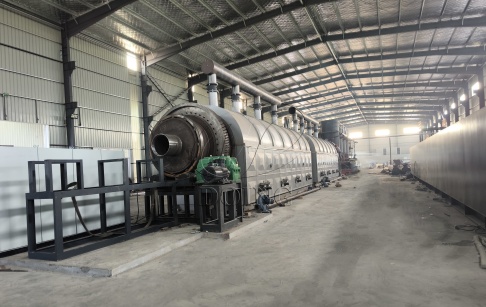
DOING fully automatic continuous pyrolysis furnace
The inherent characteristics of waste aluminum-plastic materials make them fundamentally incompatible with the stringent demands of continuous pyrolysis furnaces.
1. The Transformation of Aluminum in Pyrolysis
Waste aluminum-plastic materials are composites where plastic layers are bonded to thin aluminum foil or metallic film. During the pyrolysis process, the plastic components thermally decompose into valuable pyrolysis oil and combustible gas. However, the aluminum layer does not pyrolyze. Instead, under the high temperatures within the reactor, the aluminum melts. As the molten aluminum moves through the reactor and eventually cools, it solidifies into irregular, hard aluminum balls or agglomerates.
These hard object or big metallic fragment introduced with the feedstock can compromise the integrity of these precise sealing structures. This damage can lead to material feeding interruptions, pipeline blockages, gas leaks, posing safety risks and inevitably forcing a system shutdown for repair.
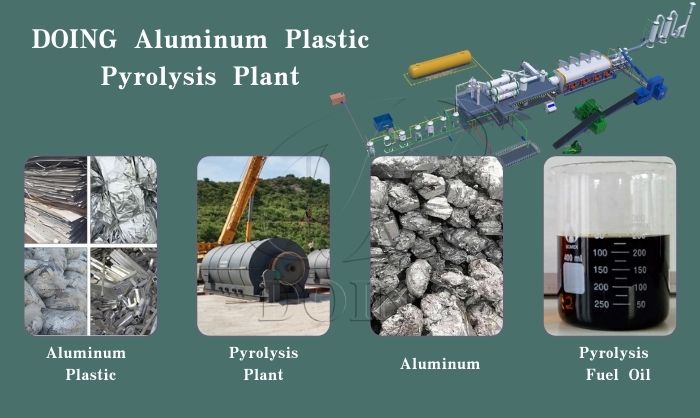
Aluminum plastic pyrolysis resulting products
2. Aluminum Pyrolysis Products Discharging:
The presence of aluminum balls also cripples the continuous carbon black discharge system:
Clogging: As the aluminum balls, mixed with carbon black, attempt to exit the reactor, their high density, irregular shape, and potential for stickiness (if not perfectly cooled or if some plastic residue adheres) make them extremely prone to accumulating and clogging the discharge mechanism.
Disruption of Anti-Blocking Technology: Specifically, these aluminum balls will obstruct the intricate channels of our carbon black anti-blocking technology, particularly the oil and gas outlets that ensure smooth carbon black flow. This blockage prevents the efficient removal of carbon black and impedes the proper venting of oil and gas from the reactor.
Damage to Seals: The aluminum balls are hard, abrasive, and often irregular in shape. As they are pushed out the reactor or accumulate near the discharging mechanism, they will inevitably scratch, wear down, and ultimately destroy the delicate sealing structures of the continuous feeder.
Gas Leakage and Safety Risks: Damage to the seals compromises the airtight integrity of the reactor. This leads to the leakage of flammable oil and syngas, creating a significant risk of fire, explosion, and environmental pollution.
Process Halt: Once blocked, the pyrolysis process cannot proceed. The entire system must be shut down, cooled, and manually cleaned to remove the solidified aluminum and jammed carbon black, again negating any continuous advantage, completely defeating the purpose of a continuous operation.
In summary, the sophisticated design of continuous pyrolysis furnaces—with their emphasis on continuous, sealed operation and clog-free discharge—requires raw materials to be pure, hard metal-free, big impurities-free and devoid of hard contaminants. Waste aluminum-plastic, by its very nature, inevitably produces hard, irregular metallic aluminum balls during pyrolysis. These aluminum balls are the "natural enemy" of continuous processes, causing irreversible damage to sealing systems and critical blockages in discharge mechanisms.
Therefore, continuous pyrolysis furnaces are fundamentally unsuitable for waste aluminum-plastic recycling.
For waste aluminum-plastic, a batch pyrolysis furnace is typically a more appropriate and robust solution. Batch systems allow for periodic opening of the reactor, enabling the complete removal of all solid residues, including the formed aluminum balls, after each cycle.
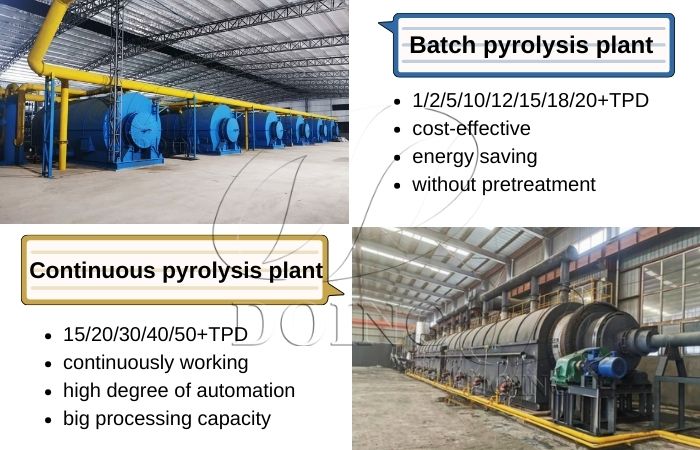
DOING batch and continuous pyrolysis furnace
At DOING Company, we are specialists in pyrolysis technology, offering a range of solutions tailored to various waste streams. Our fully continuous pyrolysis furnaces are engineered for exceptional efficiency and stability when processing suitable, clean, non-metallic raw materials such as pure plastics (PE, PP, PS), waste rubber, tire, oil sludge. Henan Doing Company possesses a professional technical R&D team dedicated to providing specific pyrolysis process flows and equipment configurations tailored to the solid and hazardous waste processing requirements of diverse clients.
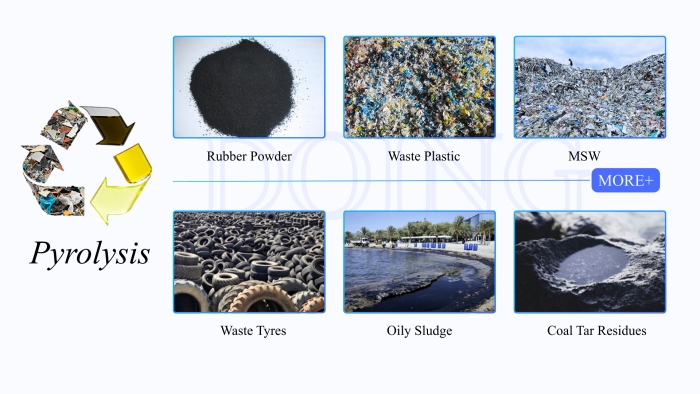
DOING pyrolysis furnace raw materials
For waste aluminum-plastic, while continuous pyrolysis furnace are not suitable, we can provide tailored batch pyrolysis solutions that effectively handle these challenging composite materials. Alternatively, we can recommend effective pre-treatment systems for separating the aluminum from the plastic before pyrolysis, allowing for a broader range of subsequent recycling options. And the front-row slag discharge mechanism also provides greater convenience for the discharging of aluminum-plastic products.
If you are seeking to recycle waste materials and need expert advice on pyrolysis furnace suitability, technical parameters, or raw material pre-treatment, please do not hesitate to contact DOING Company. We are committed to providing professional, safe, and efficient pyrolysis recycling solutions tailored to your unique requirements.